
Volkswagen Taos: Maintenance
Vehicle care
Vehicle care information
Regular and proper vehicle care helps preserve the appearance, function, and long-term value of your Volkswagen Taos. Cleaning is not only about making the vehicle look better; it also helps protect painted surfaces, trim, glass, seals, upholstery, wheels, and other components from premature wear.
The longer dirt, road salt, brake dust, tree sap, insects, bird droppings, fuel residue, or other contamination remains on vehicle surfaces, the more difficult it can become to clean and care for those areas. Long-term exposure may cause stains, discoloration, corrosion, dull paint, damaged trim, or marks that cannot be fully removed later.
Clean sensitive surfaces as soon as possible, especially after winter driving, off-road use, heavy rain, road construction, or parking under trees. A gentle cleaning method used at the right time is usually safer than aggressive scrubbing after dirt has dried and hardened.
For questions regarding care products or for vehicle components that are not listed, consult a suitably qualified professional. This is especially important for leatherette, display screens, camera lenses, sensors, decorative trim, seat materials, painted plastic, and safety-related components.
Volkswagen recommends contacting an authorized Volkswagen dealer or authorized Volkswagen Service Facility.
Suitably qualified professionals can provide suitable accessories and care products for the Volkswagen Taos. Volkswagen recommends the use of Genuine Volkswagen Accessories, which you can acquire from an authorized Volkswagen dealer or authorized Volkswagen Service Facility. Always read and follow the usage instructions on the packaging before applying any product to the vehicle.
Before using a new cleaning product, check whether it is approved for the material you want to clean. If necessary, test it first on a small, hidden area. Do not mix cleaning chemicals, and never assume that a household cleaner is suitable for automotive surfaces.
WARNING
Cleaning and caring for vehicle components incorrectly can irreparably damage and impair the vehicle's safety equipment, such as the airbag modules. This may cause serious injuries in the event of an accident.
- Clean and maintain vehicle components only according to the manufacturer's instructions.
- Always use approved or recommended cleaning solution.
- Never use cleaning solutions that contain solvents.
- Do not soak seats, dashboard areas, steering wheel components, pillar trim, or areas near airbag covers with liquid cleaners.
- Do not attach stickers, covers, decorative items, or cleaning residue to areas where airbags may deploy.
WARNING
Cleaning the vehicle incorrectly may result in serious injuries.
- Protect your hands and arms against components with sharp edges, for example when cleaning the inside of the wheel housings.
- Always follow the manufacturer's instructions when using cleaning agents.
- Wear suitable gloves if the cleaner can irritate skin, and avoid contact with eyes or open cuts.
- Do not clean moving parts, rotating components, or hot engine-area parts unless the vehicle is safely parked and the component has cooled.
WARNING
Dirty, foggy, or icy door windows reduce visibility and can impair the vehicle's safety equipment. This can cause accidents and serious or fatal injuries.
- Only drive when there is clear visibility through all windows.
- Do not use water-repellent window solutions on the windshield. This can cause intense glare under poor visual conditions.
- Remove snow, ice, fogging, dirt, and road film from the windshield, rear window, mirrors, lights, and camera areas before driving.
- Keep the inside of the windshield clean, because interior film can increase glare at night or in direct sunlight.
WARNING
Care products may be poisonous, highly flammable and corrosive. Using care products incorrectly or using unsuitable care products can cause burns and poisoning and may lead to accidents and serious or fatal injuries.
- Note the package insert.
- Only store care products in their sealed original containers.
- Keep children away from all care products.
- Only use care products outside or in well-ventilated areas so that no harmful vapors are inhaled.
- Never use turpentine, engine oil, fuel, nail polish remover, or other highly volatile fluids for vehicle care.
- Keep care products away from sparks, open flames, hot surfaces, and cigarettes.
- Dispose of used cloths, sponges, and product containers according to local regulations, especially if they contain chemicals or flammable residue.
NOTICE
Cleaning dirt with aggressive and solvent-based products can cause permanent damage to vehicle equipment, for example even with only brief exposure on seat cushions or decorative parts.
- Do not allow dirt to dry.
- Have stubborn spots removed by a suitably qualified, authorized Volkswagen dealer or authorized Volkswagen Service Facility.
- Do not use abrasive pads, harsh brushes, strong solvents, or concentrated cleaners on sensitive surfaces.
- Remove spilled liquids promptly with a clean, absorbent cloth and avoid rubbing the stain deeper into the material.
When caring for the Volkswagen Taos, use separate cloths for painted surfaces, glass, wheels, and interior trim. Brake dust, sand, and grit from wheels can scratch paint or glossy interior surfaces if the same cloth is reused. Rinse cleaning tools often and replace dirty sponges or microfiber towels before they begin to drag debris across the surface.
After washing or cleaning, check that no cleaner residue remains on pedals, the steering wheel, seat belts, windows, touch displays, or controls. Slippery residue on operating surfaces can interfere with safe driving, while residue on glass can reduce visibility. Careful, regular maintenance keeps the vehicle cleaner, safer, and more comfortable without relying on harsh chemicals or unnecessary force.
Washing the vehicle
Please read the introductory information and heed the Warnings and Notice ⇒  and
and  Vehicle care information.
Washing your vehicle regularly helps prevent long-term exposure to contamination that can damage paint, trim, glass, wheels, seals, and other exterior surfaces. Road salt, insects, bird droppings, tree resin, brake dust, fuel residue, and industrial fallout can become harder to remove the longer they remain on the surface.
For the Volkswagen Taos, regular washing is especially important after winter driving, heavy rain, dusty roads, highway use, or parking under trees. A careful wash removes abrasive particles before they can scratch the paint during later cleaning or drying.
Matte-finish vehicles require special care because of the particular properties of the paint. Unlike glossy paint, matte paint must not be polished, waxed, or treated with products that create shine. Rubbing too hard or using the wrong cleaner can permanently change the surface appearance.
To ensure that your vehicle is washed correctly and appropriately, note the following information ⇒  , ⇒
, ⇒  .
.
Before washing, close all windows, doors, the hood, and the trunk lid. Remove loose dirt with plenty of water before using a sponge or cloth. If grit is rubbed across the paint, it can leave fine scratches, especially on darker colors or glossy trim.
WARNING
After the vehicle has been washed, braking efficiency may be delayed because the brake discs and brake pads are damp or, in winter, icy. This increases braking distance and can cause loss of vehicle control, accidents, and serious or fatal injuries.
- Press the brake pedal carefully several times to dry the brakes and clear ice from them, as long as visibility, weather, road, and traffic conditions permit.
- After leaving a car wash or washing the vehicle by hand, drive cautiously until normal braking feel has returned.
- Avoid sudden high-speed driving immediately after washing if water, foam, or ice may still be present around the brakes.
NOTICE
Improper car washes can increase the risk of severe vehicle damage.
- Always follow the steps described for vehicle care and cleaning.
- Always follow the manufacturer's instructions for cleaning agents, washing equipment, and car wash programs.
- Do not wash the vehicle in direct sunlight.
- Do not use abrasive sponges, harsh brushes, strong solvents, or household cleaners on painted surfaces, headlights, trim, sensors, cameras, or decorative parts.
- Rinse cleaning products thoroughly before they dry on the paint, glass, rubber seals, or plastic trim.
NOTICE
Wet vehicle components may freeze in cold weather, which will stop them from working properly.
- In cold weather, never direct a jet of water at locks, doors, or the trunk lid.
- After washing in freezing conditions, check that doors, mirrors, windows, wipers, and the trunk lid can move freely before driving.
- Dry rubber seals carefully if the vehicle will be parked outdoors in freezing temperatures.
Removing stubborn dirt on matte paint
- Soak insects or bird excrement that have adhered to the surface immediately with water and spray with a special cleaner for matte paint. Allow the cleaner to work before wiping, instead of rubbing the area aggressively.
- Remove tar splashes on the paint surface with commercially available tar removers suitable for automotive finishes. Residue must not be removed by intensive rubbing, because this can polish or mark the matte surface.
- Remove tree resin and rust particles with special cleaner for matte paint and a cleaning clay bar. Slide the cleaning clay bar over the affected areas without pressing down on it.
- Spray grease and fingerprints with matte paint finish spray and rub with a soft microfiber cloth. Use a clean cloth section so oil and dirt are not spread across the panel.
- Rinse gasoline residue immediately with plenty of water. Fuel can attack painted surfaces and should not be allowed to dry on the finish.
- Do not use wax, polish, gloss enhancer, abrasive compound, or paint cleaner intended for shiny paint on matte surfaces.
If the Volkswagen Taos has a matte finish, treat the paint as a special surface rather than a standard clear coat. Always use products marked as suitable for matte paint and avoid circular scrubbing, pressure polishing, or repeated rubbing in one spot.
Automatic car washes
- If your vehicle has matte paint, never select a wash program with wax or drying aids.
- If your vehicle has matte paint, only use textile car washes and never brush car washes.
- For vehicles with decorative and protective decals, never use a wash package with hot wax.
- Choose car washes without brushes. Brushless or textile systems are usually gentler on paint, trim, and decals when used correctly.
- Also ensure that the underside of the vehicle is washed regularly and thoroughly to remove any residue, especially after driving on salted roads, muddy roads, or construction areas.
- Observe the information provided by the car wash operator, particularly with regard to attachments on the vehicle, e.g. spoilers ⇒
 .
.
Before entering an automatic car wash, remove or secure loose exterior accessories if required. Check roof racks, antenna areas, mirror housings, spoilers, trim pieces, and any dealer-installed accessories. If anything is loose or damaged, do not use an automatic wash until the part has been repaired or removed.
 The windows are closed and the outside mirrors are folded in. This helps prevent water entry and reduces the risk of mirror damage in narrow wash systems.
 The electronic parking brake is switched off. Follow the car wash operator's instructions for transmission position, ignition status, and brake use, because procedures may differ depending on the wash system.
 Vehicles with steering lock: If the vehicle is mechanically towed in the car wash, the steering must not be locked ⇒ Steering information.
After washing the Volkswagen Taos, inspect the exterior for remaining residue around mirrors, door handles, fuel filler area, license plate recesses, wheel arches, lower body panels, and the trunk lid. Dry hidden edges and water traps with a clean microfiber cloth to reduce spotting, freezing, and streaking.
Do not aim high-pressure water directly at sensors, cameras, seals, decals, headlights, taillights, or damaged paint from a very short distance. High pressure can force water into gaps, lift loose edges, or worsen existing chips and cracks. A careful wash with suitable products is safer than aggressive cleaning with excessive pressure.
 The windshield wipers ⇒ Window wipers and the rain/light sensor ⇒ Rain/light sensor are switched off. This helps prevent the wipers from starting unexpectedly during washing and reduces the risk of damage to the wiper blades, windshield, or sensor area.
 If applicable: the roof antenna has been removed. Removing or securing exterior parts before washing helps prevent damage in automatic wash systems and keeps attachments from being pulled, bent, or loosened.
NOTICE
Car washes that mechanically scan vehicle contours may damage the vehicle and attachments, for example a spoiler, roof-mounted accessory, antenna, trim piece, or other exterior component.
- Follow the information provided by the car wash operator, especially if there are attachments on the vehicle.
- Before entering the wash bay, check that mirrors, windows, roof accessories, loose trim, decals, and any add-on parts are suitable for the selected wash program.
- If the Volkswagen Taos has exterior accessories or protective decals, choose a wash method that will not pull, rub, lift, or heat those parts excessively.
Pressure washers
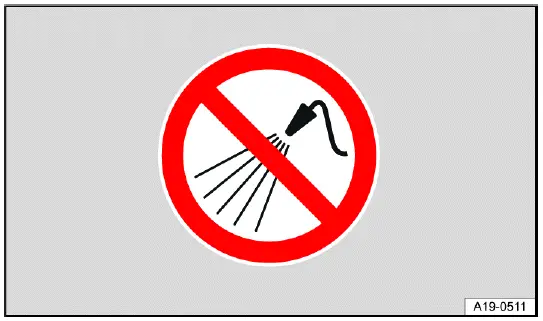
Fig. 191 Warning sign: Do not use pressure washers in the marked area.
- Never use rotating nozzles. A rotating jet can concentrate too much force in one area and may damage paint, seals, sensors, decals, or plastic trim. Observe the pressure washer manufacturer's instructions.
- Only use water up to maximum +60 ºC (+140 ºF). Water that is too hot can damage rubber parts, adhesive areas, decorative films, and certain exterior materials.
- Move the water jet evenly with a distance of at least 50 cm (20 inches) between the spray nozzle and all parts of the vehicle. Keep the nozzle moving so pressure is not concentrated on one small area.
- Do not direct the water at the same spot for a long period of time. Prolonged pressure can force water past seals or damage sensitive surfaces.
- If possible, do not direct the water straight at sensitive vehicle components, e.g. rubber seals, side windows, glossy trims, tires, sensors, camera lenses, decorative and protective decals.
- Never clean icy or snow-covered door windows with a pressure washer. Sudden temperature change and water pressure can damage glass, seals, and window guides.
- Do not aim the jet directly into gaps around doors, the hood, the trunk lid, mirror housings, lighting units, charging or electrical connectors, or the fuel filler area.
- Use extra care around stone chips, scratches, loose decals, or damaged paint. High-pressure water can enlarge existing damage.
When using a pressure washer on the Volkswagen Taos, treat it as a rinsing tool rather than a cutting tool. The goal is to loosen and remove dirt safely, not to blast dirt away with excessive force. If contamination remains, soften it with water and a suitable cleaner instead of moving the nozzle closer than recommended.
Hand washing
Individual contamination on the paint can be removed with a cleaning clay bar. Use it carefully and only with suitable lubrication, because dry or forceful use can leave marks on the surface.
1. Clean dust and large dirt deposits from the vehicle with plenty of water. Rinse from top to bottom so sand, grit, and road film are carried away before a sponge, glove, or cloth touches the paint.
2. If your vehicle has matte paint, remove insects, grease spots and fingerprints with a special cleaner for matte paint. Apply the product using a microfiber cloth with gentle pressure. Do not polish, buff, or rub strongly, because the matte finish can become shiny or uneven.
3. Clean the vehicle with a soft sponge, a washing glove, or a washing brush with light pressure. Start at the roof, and continue to work from the top down. Only use a cleansing shampoo on stubborn dirt. Rinse the sponge or glove often so trapped grit does not scratch the paint.
If your vehicle has matte paint, clean from top to bottom with a neutral cleansing shampoo and a microfiber cloth. Wash the microfiber cloth thoroughly at frequent intervals. Use straight, gentle movements rather than aggressive circular rubbing.
4. Clean the wheels and side members with a clean sponge. Do not use the same sponge or cloth for the painted body afterward, because brake dust and grit from the wheels can scratch paint and glossy trim.
5. Rinse with plenty of water. Make sure shampoo and cleaner residue are removed from body seams, mirrors, door handles, the fuel filler area, wheel arches, and lower panels.
6. Let the vehicle air dry. Remove water residue with a leather cloth or a clean, soft microfiber drying towel. Dry hidden edges and water traps to reduce water spots, streaks, and freezing in cold weather.
For the Volkswagen Taos, hand washing gives better control around trim, sensors, camera areas, decals, and lower body panels. Work patiently and use separate cleaning tools for paint, glass, wheels, and interior-facing edges.
NOTICE
Washing the vehicle incorrectly can damage the paint surface and destroy the matte paint finish.
- Never use washing programs with wax treatment.
- Only use cleaning agents free of solids and abrasives, such as cleansing shampoos or insect removers, for cleaning purposes.
- Do not use insect sponges or rough sponges.
- Do not polish, wax, clay aggressively, or use paint correction products on matte paint.
- Do not allow shampoo, insect remover, tar remover, or wheel cleaner to dry on the surface.
NOTICE
The plenum chamber drain can be blocked by leaves and dirt. Water that cannot drain may leak into the vehicle interior and cause damage.
- Remove leaves and other loose objects with a vacuum or by hand.
- Have the area under the perforated cover cleaned at regular intervals by an authorized Volkswagen dealer or authorized Volkswagen Service Facility.
- Ensure that large amounts of water do not collect in the plenum chamber, for example if you use a pressure washer.
- Check the area near the base of the windshield after parking under trees or after storms, because leaves and small debris can collect there quickly.
- Do not push dirt deeper under covers or into drainage openings while cleaning.
A blocked drain can cause moisture problems, unpleasant odors, electrical issues, or interior damage. Keeping this area clear is a simple part of exterior care, especially when the Volkswagen Taos is parked outdoors for long periods.
 Only wash the vehicle in facilities specifically designed for that purpose. This will reduce the risk of water contaminated with oil from entering the sewer system.
Suitable wash facilities are designed to collect and treat dirty water, cleaning agents, oil residue, brake dust, and road contamination. Washing the vehicle in the correct location helps protect the environment and also gives you access to safer drainage, better rinse water, and more appropriate cleaning equipment.
Exterior care and cleaning
Please read the introductory information and heed the Warnings and Notice ⇒  and
and  Vehicle care information.
The following overview gives practical recommendations for cleaning and caring for individual exterior vehicle components. Regular exterior care helps preserve the appearance, function, and value of the Volkswagen Taos, but each surface must be treated according to its material, finish, and sensitivity.
Paint, glass, trim, lights, sensors, wheels, decals, and the engine compartment area all require different cleaning methods. A product that is safe for one surface may stain, dull, scratch, or chemically attack another, so always choose the cleaning method carefully before starting work.
NOTICE
Incorrect cleaning and care can cause vehicle damage.
- Always follow the manufacturer's instructions for cleaning products, tools, waxes, deicers, and care accessories.
- Never use cleaning objects that are too hard or abrasive.
- Do not use household solvents, aggressive degreasers, rough pads, or dirty cloths on painted, glossy, plastic, or sensor surfaces.
- Remove dirt gently instead of scraping or rubbing hard, especially on clear coat, matte finishes, decals, camera lenses, and light lenses.
Door windows, glass surfaces
- Remove wax residue, for example from care products, with a suitable glass cleaner or the Volkswagen Genuine cleaning cloth. Wax film on glass can cause glare, streaking, poor wiper performance, and reduced visibility at night or in rain.
- Remove snow with a hand brush. Work gently around seals, wiper blades, mirrors, and trim so that frozen parts are not pulled loose.
- Remove ice with a plastic scraper. When doing so, scrape in one direction only. Do not use metal scrapers, knives, or sharp tools, because they can scratch the glass or damage heating elements and seals.
- Defrost the ice with a suitable deicer or Volkswagen Genuine deicer. Allow the product to work before wiping so the glass surface is not scraped unnecessarily.
- Clean the wiper blades or, if necessary, replace them. Dirty or worn blades can leave streaks, chatter across the windshield, and reduce visibility during rain.
When cleaning glass on the Volkswagen Taos, also pay attention to the inside of the windshield. Interior film from dust, moisture, and cabin vapors can create glare in low sun or night traffic, even when the outside of the glass looks clean.
Paint
Always treat painted surfaces with extreme care to prevent paint damage. Paint can be affected by insects, bird droppings, tree resin, road salt, fuel, brake dust, industrial fallout, and aggressive cleaning products. The sooner contamination is removed, the lower the risk of staining or permanent marks.
- Immediately clean any slight contamination, e.g. deposits, insect residues, or cosmetics, with a clean, soft cloth and a mild soap solution of maximum two tablespoons of neutral soap to one liter of water, or with cleaning clay. Use light pressure and rinse the area afterward.
- Clean spilled fuel or operating materials immediately. Fuel residue can attack paint and trim if it dries on the surface.
- Dampen rust spots with soap solution. Then remove with a cleaning clay bar. Slide the clay gently over the affected area and do not press hard.
- Have corrosion removed by suitably qualified professionals. Volkswagen recommends contacting an authorized Volkswagen dealer or authorized Volkswagen Service Facility.
- In the event of paint damage, consult suitably qualified professionals and have the paint damage repaired. Volkswagen recommends contacting an authorized Volkswagen dealer or authorized Volkswagen Service Facility.
A preservation treatment protects the vehicle paint. When water no longer clearly beads up and drips off clean vehicle paint, the vehicle should be retreated with a wax protectant if not earlier. This helps reduce the adhesion of dirt and makes later cleaning easier.
- For matte paint, apply a special wax for matte paint with a soft sponge to the cleaned vehicle. Remove excess wax with a microfiber cloth. Only use products specifically suitable for matte finishes.
Polishing is only needed if the appearance of the vehicle paint is poor and a shiny finish can no longer be achieved using protectants. Polishing removes a very fine layer from the surface, so it should be done carefully and only on suitable glossy paint finishes.
NOTICE
For matte finishes, the surface will be irreparably damaged if you polish the paint.
- Never polish matte-finish surfaces.
- Do not use abrasive compounds, gloss enhancers, conventional waxes, or paint cleaners intended to increase shine on matte paint.
 Even if a wax protectant is applied regularly in an automatic car wash, Volkswagen recommends protecting the vehicle paint at least twice a year with a suitable hard wax or Volkswagen Genuine hard wax.
For areas exposed to heavy road salt, insects, sun, or frequent washing, paint protection may need to be renewed more often. Lower body panels, the front bumper, mirror housings, door edges, and wheel arch areas usually collect more contamination than upper body surfaces.
Plenum chamber, engine compartment
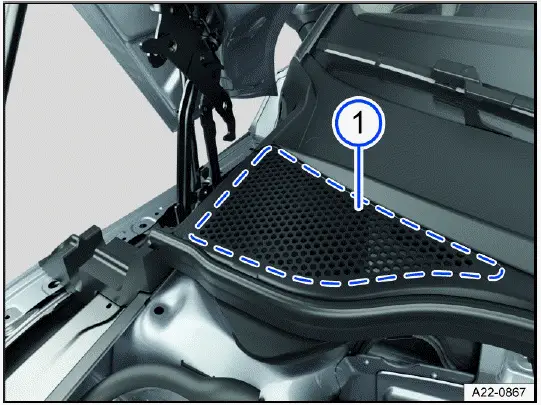
Fig. 192 Between the engine compartment and windshield: plenum chamber (general example).
- Perforated cover of the water box.
The plenum chamber area can collect leaves, dust, seeds, and other loose debris, especially when the vehicle is parked under trees. If drainage is restricted, water can collect and may enter areas where it can cause odor, corrosion, electrical issues, or interior moisture damage.
WARNING
Working on the engine or in the engine compartment carries a risk of accidents and fire. Serious injuries may occur.
- Always note the necessary handling guidelines and the safety precautions every time before working in the engine compartment → page, Safety precautions for working in the engine compartment.
- If you are not familiar with this type of work, arrange for it to be done by an authorized Volkswagen dealer or authorized Volkswagen Service Facility. Volkswagen recommends contacting an authorized Volkswagen dealer or authorized Volkswagen Service Facility.
- Do not work near hot components, rotating parts, electrical connections, or the cooling fan unless the vehicle is safely parked and the relevant components have cooled.
NOTICE
The plenum chamber drain can be blocked by leaves and dirt. Water that cannot drain may leak into the vehicle interior and cause damage.
- Have the area under the perforated cover regularly cleaned by an authorized Volkswagen dealer or authorized Volkswagen Service Facility qualified in this respect fig. 192. Volkswagen recommends contacting an authorized Volkswagen dealer or authorized Volkswagen Service Facility.
- Check the visible area regularly after storms, autumn leaf fall, or long outdoor parking.
NOTICE
Water introduced manually into the plenum chamber, for example with a pressure washer, can cause considerable vehicle damage.
- Remove leaves or other loose objects with a vacuum or by hand fig. 192.
- Always have the engine compartment cleaned by an authorized Volkswagen dealer or authorized Volkswagen Service Facility qualified in this respect. Volkswagen recommends contacting an authorized Volkswagen dealer or authorized Volkswagen Service Facility.
- Do not direct a strong water jet into drainage openings, electrical connectors, control units, fuse areas, or covered engine-compartment spaces.
Sensors, camera lenses
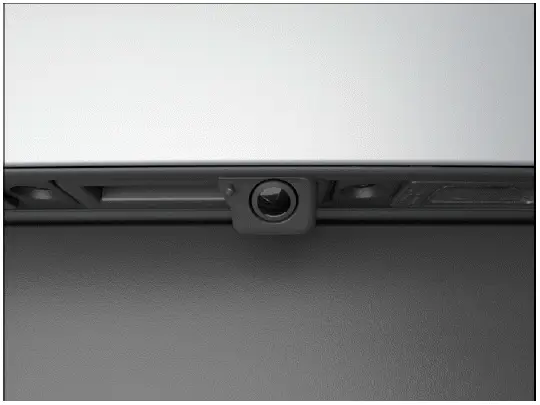
Fig. 193 In the rear of the vehicle: Rear View Camera system on the handle (general example).
- Clean the area in front of the sensors or the camera with a soft cloth and solvent-free cleaning solution. Dirt, wax, ice, or road film can reduce sensor and camera performance.
- Clean the sensor areas of the rain/light sensor, the camera window on the windshield, and the glass surfaces, depending on the vehicle equipment.
- Remove snow with a hand brush. Do not strike sensors or camera lenses to loosen frozen snow.
- Never use warm or hot water. Sudden temperature changes can damage glass, lenses, seals, or plastic housings.
- Defrost the ice with a suitable deicer or Volkswagen Genuine deicer. Let the ice soften before wiping it away.
On the Volkswagen Taos, clean sensors and camera lenses carefully because driver assistance and visibility systems may depend on clear surfaces. Scratched lenses, smeared camera covers, or dirty sensor areas can lead to poor image quality, delayed warnings, or reduced system availability.
Decorative and protective decals
- Remove contaminants as described for paint. For matte decorative decals, use a suitable plastic cleaner or a Volkswagen Genuine plastic cleaner.
- Treat the vehicle every three months with liquid hard wax. The vehicle must be free of dirt and dust before treating. Apply using only clean, soft microfiber cloths. Do not use hot wax, even in a car wash.
- Hard contaminants: remove gently with ethyl alcohol and then wash with warm water. Avoid aggressive rubbing, because decal edges and printed surfaces can be damaged.
 For decorative and protective decals, the durability and coloring are influenced by environmental factors, such as solar radiation. Decorative decals may show signs of wear and aging after approximately one to three years, and protective decals after approximately two to three years. In very hot climates, the decorative decals may fade slightly within one year and the protective decals within two years.
Sun exposure, road salt, strong cleaners, high-pressure washing, and hot wax programs can shorten the life of decals. When washing around decal edges, use a gentle water flow and avoid lifting the edge with a cloth, brush, or pressure washer nozzle.
Trims made out of chrome-plated plastic, aluminum or stainless steel
- Clean surfaces with a suitable chrome and aluminum product or Volkswagen Genuine chrome and aluminum products. Use a soft cloth and avoid abrasive polishing unless the product is specifically intended for that surface.
- Chrome-plated trims can be protected with a suitable hard wax or Volkswagen Genuine hard wax.
Do not use acidic wheel cleaners, rough pads, or metal polish on trim unless the product label clearly confirms compatibility. Decorative trim can discolor, stain, or lose its finish if treated too aggressively.
Headlights, taillights
- Remove contamination with a soft, damp sponge with a mild soap solution of maximum two tablespoons of neutral soap to one liter of water. Do not use cleaning solutions containing alcohol and/or solvents.
- Remove stubborn dirt with a suitable chrome and aluminum product or Volkswagen Genuine chrome and aluminum products.
Modern light lenses are usually made from plastic materials with protective coatings. Strong solvents, dry wiping, abrasive compounds, or rough sponges can cloud, scratch, or weaken the surface. Clean lights gently so illumination and signal visibility remain clear.
Wheels
- Remove contaminants and road salt with plenty of water. Rinse the wheels thoroughly before wiping so brake dust and grit do not scratch the finish.
- Clean dirty alloy wheels with a suitable rim cleaner or with Volkswagen Genuine rim cleaner. Volkswagen recommends applying a suitable hard wax or Volkswagen Genuine hard wax to the rims every three months.
- Repair damaged protective paint layers immediately with a paint pen. If necessary, contact an authorized Volkswagen dealer or authorized Volkswagen Service Facility. Volkswagen recommends contacting an authorized Volkswagen dealer or authorized Volkswagen Service Facility.
- Remove brake dust with a suitable rim cleaner or Volkswagen Genuine rim cleaner.
Brake dust can become stubborn if it remains on the wheel surface for a long time. Use a separate sponge or wheel brush for wheels only, and do not reuse it on body paint. Wheel-cleaning residue should be rinsed away completely before it dries.
Door lock cylinder
1. Defrost the door lock cylinder with a suitable door lock deicer or Volkswagen Genuine deicer.
Do not use any door lock deicers with degreasing substances. Degreasing products can remove lubrication from the lock cylinder and may make the lock harder to operate over time.
After using deicer, wipe away residue from surrounding paint and trim. If the lock continues to freeze or operate roughly, have it checked by a suitably qualified professional.
Care and cleaning of the vehicle interior
Please read the introductory information and heed the Warnings and Notice ⇒  and
and  Vehicle care information.
The following overview gives recommendations for cleaning and caring for individual vehicle components. Interior care should always be matched to the material being cleaned, because glass, seat upholstery, leather, plastic trim, displays, safety belts, and decorative surfaces react differently to moisture, pressure, and cleaning chemicals.
Regular interior cleaning helps keep the Volkswagen Taos comfortable, hygienic, and pleasant to use. It also helps prevent dirt, body oils, dust, spilled drinks, sunscreen, cosmetics, and dye from clothing from becoming embedded in surfaces where they may be harder to remove later.
NOTICE
Incorrect cleaning and care can cause vehicle damage.
- Always follow the steps described for vehicle care and cleaning.
- Do not use steam cleaners, brushes, hard sponges, abrasive pads, or similar tools that can damage surfaces, stitching, trim coatings, or electronic components.
- Have tough spots removed by a suitably qualified professional. Volkswagen recommends contacting an authorized Volkswagen dealer or authorized Volkswagen Service Facility.
- Do not soak interior materials. Excess moisture can penetrate seams, foam padding, sensors, switches, wiring, or seat components.
- Before using a cleaner for the first time, test it on a small hidden area and make sure it does not discolor, soften, stain, or leave a shiny residue.
Door windows
- Clean the door window with a glass cleaner. Spray the cleaner onto the cloth rather than directly onto nearby trim, switches, or seals.
- Wipe the door windows dry with a clean chamois or a lint-free cloth. A dry final wipe helps reduce streaks and glare.
- Clean the inside glass regularly, because interior film from dust, moisture, fingerprints, and cabin vapors can reduce visibility in low sun, rain, or night driving.
Textiles, microfiber, leatherette
- Regularly remove dirt particles that adhere to the surface with a vacuum cleaner so that the material is not permanently damaged by scrubbing. Use a soft brush attachment where possible and work gently around seams and stitching.
- Remove contaminants with a suitable interior cleaner or Volkswagen Genuine interior cleaner. Apply cleaner lightly and avoid soaking the surface.
- For grease-based contaminants such as oil, use a suitable interior cleaner or Volkswagen Genuine interior cleaner. Blot away the dissolved grease or dye with an absorbent towel. If necessary, treat afterwards with water.
- For contaminants, for example from pens or nail polish, use a suitable interior cleaner or Volkswagen Genuine interior cleaner. If necessary, treat afterward with a mild soap solution of maximum two tablespoons of neutral soap in a liter of water.
- Never use leather cleaners, solvents, floor polish, shoe polish, paint remover, or other similar substances.
- Never use pressure washers, steam cleaners or cooling sprays.
- Do not rub one spot aggressively. Repeated hard rubbing can roughen textile fibers, create shiny patches on microfiber, or damage leatherette grain.
In the Volkswagen Taos interior, light-colored upholstery may show dye transfer from jeans, jackets, bags, or belts more quickly than darker materials. Remove fresh marks early with the correct cleaner instead of allowing them to settle into the surface.
Natural leather
- Remove fresh dirt with a cotton cloth and a mild soap solution of maximum two tablespoons of neutral soap in a liter of water. Do not let any fluids seep into the cracks.
- For contaminants, for example from pens or nail polish, use a suitable leather cleaner or Volkswagen Genuine leather cleaner.
- Treat dried spots with a suitable leather cleaner or with Volkswagen Genuine leather cleaner.
- Remove any fresh spots of grease such as oil with an absorbent cloth. Blot carefully and do not spread the grease over a larger area.
- Apply leather care to seats regularly and each time you clean. If leaving the vehicle parked for long periods of time, you should cover the leather to protect it from direct sunlight.
- Keep leather away from sharp objects, rough clothing accessories, open hook-and-loop fasteners, and heavy items that can press into the surface.
Never treat leather with solvents, floor polish, shoe polish, paint remover, or other similar substances. These products can discolor the surface, remove protective coatings, harden the leather, or leave residues that are difficult to remove.
Plastic parts
- Clean with a soft, damp cloth. Wipe gently and dry the surface afterward if moisture remains in seams or around switches.
- If a mild soap solution of maximum two tablespoons of neutral soap in a liter of water cannot remove stubborn stains, use a solvent-free plastic cleaner or Volkswagen Genuine plastic cleaner, if necessary.
- Do not use cleaners that leave a slippery or glossy film on the steering wheel, pedals, gear selector, buttons, or other controls.
Trims, decorative trims made out of chrome, aluminum or stainless steel
- Clean using a clean, soft cloth and mild soap solution of maximum two tablespoons of neutral soap in a liter of water, in a dust-free area.
- Treat anodized surfaces with a suitable chrome and aluminum product or Volkswagen Genuine chrome and aluminum products.
- Do not use rough polishing cloths, acidic cleaners, or abrasive pastes on decorative trim, because the finish may become cloudy, scratched, or uneven.
Controls
1. Use a soft brush to remove large dirt deposits as well as any dirt that is difficult to reach. Work carefully around buttons, seams, rotary controls, air vents, and switch edges.
2. Use a clean, soft cloth and a fairly mild soap solution of maximum two tablespoons of neutral soap in a liter of water. Fluids must not enter into the controls.
After cleaning controls, check that buttons, switches, and rotary knobs move freely and do not feel sticky. Cleaner residue around controls can attract dust and may make the surfaces unpleasant to touch.
Displays and screens
Do not clean the instrument cluster display and the Infotainment system screen when they are dry. Dry wiping can drag dust across the surface and may leave fine scratches.
1. Turn off the Infotainment system temporarily to clean it. A dark screen also makes fingerprints, dust, and smudges easier to see.
2. Use a suitable cleaning cloth or a Volkswagen Genuine cleaning cloth with a little water, a suitable glass cleaner or with an LCD cleaner.
Do not press hard on displays and do not spray liquid directly onto the screen. Moisture can run into edges, buttons, or vents. Use a slightly damp cloth first, then dry gently with a clean microfiber cloth.
Rubber seals
- Clean with a soft, lint-free cloth and plenty of water.
- Treat regularly with a suitable rubber care product or Volkswagen Genuine rubber care product.
- Keep rubber seals free of sand, salt, wax residue, and sticky dirt so doors and windows close correctly and the seals do not wear prematurely.
Well-maintained rubber seals help reduce wind noise, water entry, freezing in winter, and premature cracking. In cold weather, careful seal care can also reduce the chance of doors sticking after washing or rain.
Safety belts
1. Unreel the safety belt completely and leave the belt unreeled.
2. Remove large spots of dirt with a soft brush. Do not scrape the belt webbing or use hard tools.
3. Clean the safety belt with a mild soap solution of maximum two tablespoons of neutral soap in a liter of water.
4. Let the belt webbing dry completely, then allow the belt to retract.
Safety belts must remain flexible, clean, and free of chemical residue. A belt that is wet, stiff, twisted, contaminated, or damaged may not work as intended in an accident.
WARNING
Improper cleaning of the safety belts, their anchors and the automatic safety belt retractors can cause damage and impair their function. This can cause serious or fatal injuries in the event of accidents.
- Never alter the safety belts for cleaning purposes.
- Never use chemical products to clean the safety belts and their components.
- Do not use any corrosive fluids, solvents, or sharp objects.
- Do not allow fluids and objects to enter the safety belt buckle.
Let the safety belt dry after cleaning before allowing it to retract completely.
- Do not bleach, dye, iron, or heat the safety belt webbing to speed up drying.
Wood trims
Clean with a soft cloth and fairly mild soap solution of maximum two tablespoons of neutral soap in a liter of water. Wipe gently with the grain or surface direction, if visible, and dry with a clean cloth. Do not use furniture polish, abrasive compounds, or household waxes unless they are specifically approved for automotive interior trim.
Cleaning the seat covers
If dye from clothing such as denim stains the seat covers, this is not considered a defect in the vehicle upholstery. Dye transfer can occur through normal use, especially on brighter materials or when clothing is new, damp, or strongly colored. Early cleaning improves the chance of removing the mark without damaging the surface.
If you want to clean the seat covers yourself, be aware that airbag system components and electrical connectors are installed in the seat covers. Incorrect cleaning or moisture may damage these components or cause them to malfunction. This may then cause damage elsewhere in the vehicle's electrical system ⇒  .
.
Depending on the equipment, electrical components and connectors may be installed in the seat surface with seat heating, which can be damaged by incorrect cleaning or handling. This can also result in damage to other areas of the vehicle electrical system.
- Never use pressure washers, steam cleaners or cooling sprays.
- Never soak seat covers.
- Never switch on seat heating to dry the seats.
- Do not use detergent pastes or mild detergent solutions.
- If there is uncertainty, contact suitably qualified professionals for assistance. Volkswagen recommends contacting an authorized Volkswagen dealer or authorized Volkswagen Service Facility.
- Do not remove seat covers or open seams for cleaning unless the procedure is approved by the manufacturer.
- Allow cleaned areas to dry naturally with good ventilation before sitting on the seat for a long period.
Because seats in the Volkswagen Taos may contain side airbag components, heating elements, occupancy-related wiring, or connectors depending on equipment, careful cleaning is essential. Avoid forcing liquid into seams, cushion gaps, or areas around seat controls.
WARNING
Cleaning and caring for vehicle components incorrectly can irreparably damage and impair the vehicle's safety equipment, such as the airbag modules. This may cause serious injuries in the event of an accident.
- Always use approved or recommended cleaning solution.
- Never use cleaning solutions that contain solvents.
- Clean and maintain vehicle components only according to the manufacturer's instructions.
- Do not allow moisture to enter airbag covers, seat seams, buckles, electrical connectors, control panels, or display edges.
 Needless to say, it is easier to see signs of wear and dirt caused by normal usage on bright materials in the vehicle interior. These signs of use are unavoidable and also indicate the unavoidable deterioration caused by normal usage. Please follow the corresponding care instructions.
For a clean and durable Volkswagen Taos interior, remove dust and small debris regularly, treat stains early, and avoid strong chemicals. Gentle care done often is safer than aggressive cleaning after dirt has become deeply embedded in the material.
Accessories, replacement parts, repairs, and modifications
Accessories and replacement parts
Before purchasing Genuine Volkswagen Accessories, replacement parts, or operating equipment, consult an authorized Volkswagen dealer or an authorized Volkswagen Service Facility. This is especially important if you plan to retrofit the vehicle with additional equipment, replace original components, install electrical accessories, or change parts that may affect vehicle safety, handling, emissions, driver assistance systems, or warranty coverage. Authorized Volkswagen dealers and authorized Volkswagen Service Facilities are familiar with legal requirements, factory specifications, and Volkswagen recommendations for accessories, replacement parts, and operating materials. Volkswagen recommends contacting an authorized Volkswagen dealer or authorized Volkswagen Service Facility.
Volkswagen recommends using Volkswagen original parts or Volkswagen original accessories, which are available through an authorized Volkswagen dealer or authorized Volkswagen Service Facility. These parts and accessories have been checked for reliability, safety, and suitability for the vehicle. A suitably qualified authorized Volkswagen dealer or authorized Volkswagen Service Facility also has the correct tools, installation procedures, diagnostic equipment, and repair information needed to install them properly. Volkswagen recommends contacting an authorized Volkswagen dealer or authorized Volkswagen Service Facility.
For the Volkswagen Taos, correct parts selection is not only a matter of fitment. Modern vehicle systems are closely linked, so a component that appears simple may still affect sensors, electrical communication, airbag operation, braking, lighting, steering, emissions systems, or tire pressure monitoring. Using the correct part helps preserve the intended function of the vehicle and reduces the risk of unexpected faults after installation.
Products that are not approved by Volkswagen may not have been evaluated by Volkswagen for reliability, safety, compatibility, or suitability for this vehicle, even if Volkswagen continues to observe the market. For this reason, Volkswagen cannot be responsible in individual cases if a product is approved by an officially recognized technical inspection and control authority, or if clearance is issued by a government agency. Official approval from another authority does not automatically mean that the product is suitable for the specific vehicle model, equipment level, or software configuration.
You must consult a suitably qualified authorized Volkswagen dealer or authorized Volkswagen Service Facility before replacing rim and tire combinations. Volkswagen recommends contacting an authorized Volkswagen dealer or authorized Volkswagen Service Facility. Wheel size, tire size, load index, speed rating, offset, rolling circumference, and clearance must all be suitable for the Volkswagen Taos. Incorrect rim or tire combinations can affect steering response, braking behavior, suspension movement, Tire Pressure Monitoring System operation, and the accuracy of driver assistance systems.
Retrofitted devices that have a direct effect on vehicle control must have an  symbol, the approval symbol for the European Union, and must be approved by Volkswagen for the vehicle. Such devices may include a cruise control system, an electronically controlled damping system, or any other retrofit that directly influences how the vehicle accelerates, brakes, steers, or responds on the road.
Additional electrical devices that do not have a direct effect on vehicle control must have a symbol confirming the manufacturer's Declaration of Compliance for the European Union. Such devices may include refrigerators, computers, ventilators, chargers, or other electrical equipment used inside or near the vehicle. Even when these devices do not directly control the vehicle, they must not overload the electrical system, interfere with electronic modules, block ventilation, or create a fire risk.
When adding accessories to the Volkswagen Taos, also consider where they are mounted and how they are secured. Accessories in the passenger compartment, luggage compartment, roof area, or around the dashboard must not interfere with visibility, pedals, steering, seat adjustment, safety belts, airbags, sensors, cameras, controls, or emergency exits. Poorly mounted equipment can become dangerous during sudden braking or a collision.
WARNING
Using unsuitable replacement parts and accessories may lead to malfunctions in the vehicle. These problems may also occur if work, modifications, or repairs are carried out incorrectly. This can damage the vehicle and may cause accidents resulting in serious or fatal injuries.
- Only have suitably qualified professionals make repairs or modifications to a vehicle. Authorized Volkswagen dealers and authorized Volkswagen Service Facilities have the required tools, diagnostic devices, repair information, and qualified personnel. Volkswagen recommends contacting an authorized Volkswagen dealer or authorized Volkswagen Service Facility.
- Only install parts on the vehicle whose design and function are identical to the parts installed at the factory.
- Only use rim and tire combinations that are approved by Volkswagen for your vehicle model.
- Do not install accessories that interfere with pedals, steering, driver visibility, airbag deployment zones, safety belts, sensors, cameras, or vehicle controls.
- After repairs or retrofits, have all affected systems checked if warning lights appear, functions behave differently, or the vehicle displays fault messages.
WARNING
Objects in the airbag deployment zone may be thrown around the vehicle interior if the airbags deploy. This can cause serious or fatal injuries.
- Never attach or position objects in the airbag deployment zone.
- Do not mount phone holders, navigation devices, decorative parts, storage accessories, covers, cables, or other objects on or near airbag covers, the dashboard deployment area, the steering wheel center, side trim, seat sides, or roof pillar areas.
- Make sure any interior accessory is positioned so it cannot become a projectile during a collision, sudden braking, or airbag deployment.
NOTICE
Retrofitting an engine preheating system may cause malfunctions and vehicle damage with certain engines.
- Consult an authorized Volkswagen dealer or authorized Volkswagen Service Facility about retrofitting an engine preheating system. Volkswagen recommends contacting an authorized Volkswagen dealer or authorized Volkswagen Service Facility.
- Do not install heating, charging, or electrical retrofit equipment unless it is suitable for the vehicle and installed according to approved procedures.
Before approving any modification, consider whether it could affect vehicle electronics, water sealing, corrosion protection, crash safety, warranty terms, or legal compliance. A professional inspection is especially important for electrical retrofits, wheels and tires, suspension components, towing equipment, roof accessories, lighting changes, and any work near safety systems. Careful parts selection and correct installation help keep the Volkswagen Taos reliable, safe, and consistent with its original design.
Sensors and Cameras
The sensors and cameras on the Volkswagen Taos are installed in carefully defined positions so the driver assistance systems can read the surroundings as accurately as possible. Incorrect repairs, structural changes to the vehicle such as lowering, replacement or adjustment of trim panels, aftermarket accessories, bumper work, windshield replacement, or changes around the grille and emblem can shift, cover, or damage these components. Even a small change in angle, height, surface finish, or field of view may impair important assistance functions ⇒  .
.
- When carrying out repairs, modifications, paintwork, bodywork, or accessory installation, always note the positions of the sensors and cameras shown in the vehicle overview. These areas must remain clear, correctly aligned, and free from damage, because driver assistance systems may depend on precise sensor readings.
Depending on equipment, the vehicle may use radar sensors, camera lenses, ultrasonic sensors, and other detection components. These systems can support the driver during parking, lane monitoring, distance detection, visibility functions, and other assistance features, but they can only work properly when the relevant surfaces are clean, unobstructed, undamaged, and correctly calibrated.
Attachments or Modifications around Sensors and Cameras
WARNING
If the area in front of or around sensors and cameras is covered, altered, painted, wrapped, or blocked, the driver assistance systems may not function correctly. This may happen if license plates, license plate holders with decorative frames, additional films, stickers, protective covers, paintwork, trim changes, or similar accessories are installed in the sensor field. Reduced or failed driver assistance functions can result in accidents and serious or fatal injuries.
- Do not stick additional films over or around sensors.
- Do not paint, wrap, polish, coat, cover, or modify sensor and camera areas unless the material and procedure are approved for the vehicle.
- Only install a license plate or decorative frame for license plate holders in the specified position. If you want to install a license plate or decorative frame on the vehicle, consult an authorized Volkswagen dealer or authorized Volkswagen Service Facility. Volkswagen recommends using a qualified Volkswagen service point for this work.
NOTICE
Incorrect attachment of license plates or license plate holders with decorative frames may damage vehicle components, including wiring, brackets, trim pieces, sensors, radar covers, or camera areas.
- Only install a license plate or decorative frame for license plate holders in the specified position.
- Always consult an authorized Volkswagen dealer or authorized Volkswagen Service Facility if you want to install a license plate or decorative frame for a license plate holder on the vehicle. Volkswagen recommends contacting an authorized Volkswagen dealer or authorized Volkswagen Service Facility.
- Do not drill, cut, screw, clip, or glue accessories into bumper sections, grille areas, emblems, mirror housings, or trim panels unless those attachment points are specifically approved.
Decorative frames for license plate holders are designed only to hold the license plate. They must not extend into the detection area of a sensor, press against hidden wiring, block airflow where it is needed, or cover surfaces used by driver assistance systems.
The Volkswagen emblem can impede the view of the front radar sensors on some vehicle versions. Therefore, only operate the vehicle with the original Volkswagen emblem or with an emblem approved by Volkswagen. A non-approved emblem may appear to be only a cosmetic change, but on some versions it can interfere with radar transmission and reduce assistance system performance.
For the Volkswagen Taos, accessories mounted near the front bumper, rear bumper, grille, windshield, mirror housings, tailgate handle, or license plate area should be checked before installation. A part that fits physically may still interfere with radar waves, camera visibility, ultrasonic detection, or the calibration values used by the vehicle systems.
Damage around Sensors and Cameras
WARNING
If the area around sensors and cameras is damaged, for example by stone chips, parking impacts, bumper deformation, cracked trim, windshield damage, paint damage, or a distorted mounting bracket, the driver assistance systems may not function correctly. Failure or reduced performance of these systems may result in accidents and serious or fatal injuries.
- If there is damage in the area of the sensors and cameras, have the affected component inspected and, if necessary, replaced by a suitably qualified professional. Volkswagen recommends contacting an authorized Volkswagen dealer or authorized Volkswagen Service Facility.
- Do not ignore warning messages, unavailable assistance functions, distorted camera images, unusual parking sensor behavior, or system faults after a collision, windshield repair, bumper repair, trim replacement, or accessory installation.
After components have been replaced, it may be necessary for sensors and cameras to be adjusted and calibrated by an authorized Volkswagen dealer or authorized Volkswagen Service Facility. Volkswagen recommends contacting an authorized Volkswagen dealer or authorized Volkswagen Service Facility. Calibration may be required after replacing a windshield, bumper, grille, emblem, mirror housing, camera, radar sensor, control unit, or any component that can affect the mounting position, viewing angle, or detection area.
If the windshield is damaged within the range of the sensors or camera, for example by a stone chip, the windshield must be replaced. Stone chip repairs in this area can cause malfunctions in the driver assistance system because the optical quality, glass surface, camera view, or sensor range may be changed. After the windshield has been replaced, the cameras and sensors must be set and calibrated by suitably qualified professionals. Volkswagen recommends contacting an authorized Volkswagen dealer or authorized Volkswagen Service Facility.
Keep camera lenses, radar covers, sensor surfaces, and the windshield area in front of the cameras clean and free of snow, ice, mud, insects, wax, polish residue, stickers, condensation, and road film. Clean these areas gently with suitable materials. Scratched lenses, damaged covers, strong chemical residue, or incorrect cleaning methods can reduce system performance even when the surface appears clean at first glance.
Driver assistance systems are designed to support the driver, not replace careful driving. If a warning appears in the instrument cluster or Infotainment system, first check whether the relevant sensor or camera area is dirty, covered, frozen, or damaged. If the message does not disappear after cleaning and normal driving conditions return, have the Volkswagen Taos inspected by a qualified professional.
After body repairs, windshield work, bumper removal, grille replacement, emblem replacement, or paintwork near detection areas, confirm that all affected assistance systems operate normally. Correct sensor alignment and calibration help maintain reliable function, accurate warnings, and safe operation of the Volkswagen Taos in everyday driving.
Repairs and technical modifications
Volkswagen guidelines must be followed when performing repairs and technical modifications ⇒  .
.
Repairs and technical modifications must be carried out according to Volkswagen repair procedures, because modern vehicle systems are closely connected. Work that appears to affect only one component can also influence electronic control units, sensors, wiring, software, driver assistance systems, safety systems, emissions-related components, or comfort functions.
Interference with electronic components and their software can cause malfunctions. Because electronic components communicate with each other through linked control systems, a fault in one area can also impair systems that are not directly involved in the repair. This may reduce the operational safety of the Volkswagen Taos, increase component wear, create warning messages, or cause functions to behave differently than intended.
Incorrect repairs, unapproved coding, poorly routed wiring, unsuitable parts, improper grounding, water entry after bodywork, or changes to control module software can create faults that are difficult to diagnose later. For this reason, technical work should be performed only with the correct repair information, diagnostic equipment, special tools, and approved parts.
An authorized Volkswagen dealer or authorized Volkswagen Service Facility cannot assume any liability for damage resulting from repairs and technical modifications that were performed incorrectly.
An authorized Volkswagen dealer or authorized Volkswagen Service Facility is not responsible for damage resulting from repairs and technical modifications that were performed incorrectly. Such damage is also not covered by the Volkswagen warranty.
Have all repairs and technical modifications performed by suitably qualified professionals. Volkswagen recommends contacting your authorized Volkswagen dealer or authorized Volkswagen Service Facility for Volkswagen Genuine Parts. Genuine parts and approved repair methods help preserve vehicle reliability, correct fit, system compatibility, and the safety standards intended by the manufacturer.
Before making changes to the Volkswagen Taos, especially changes involving electronics, suspension, wheels, lighting, body panels, sensors, towing equipment, infotainment, or driver assistance systems, confirm that the modification is suitable for the vehicle model and equipment level. A part that physically fits may still be incompatible with control units, calibration values, crash safety requirements, or legal regulations.
Volkswagen repair information
Volkswagen service information and official Volkswagen repair information can be purchased. This information is intended to support correct diagnosis, repair, maintenance, and installation procedures. It may include repair instructions, wiring diagrams, technical service data, tightening specifications, safety precautions, diagnostic procedures, and information about special tools.
Customers in Europe, Asia, Australia, Africa, Central and South America:
Contact suitably qualified professionals for assistance. Volkswagen recommends contacting an authorized Volkswagen dealer or authorized Volkswagen Service Facility. Or register with the erWin (electronic repair and service information) web portal: https://erwin.volkswagen.de
Customers in North America and Canada:
If you wish to order the printed service information, please contact: Volkswagen Technical Literature Ordering Centerliterature.vw.com
You can also register for the erWin web portal: https://erwin.vw.com
Official repair information should be used whenever work involves safety systems, airbags, steering, brakes, high-current electrical circuits, emissions-related components, electronic control units, or calibrated driver assistance equipment. Guesswork or generic repair methods can lead to hidden damage, incorrect installation, or system faults that may not appear immediately.
Diagnostic connection (on-board diagnosis)
In the vehicle interior, there is a diagnostic connection (OBD) used to read event memories. Event memories document faults that have occurred and deviations from specified values from the control module ⇒  .
.
The diagnostic connection (OBD) is located in the footwell on the driver's side on the underside of the instrument panel or next to the hood release lever behind a cover.
The OBD connection allows qualified professionals to communicate with vehicle control modules, read stored faults, check measured values, perform guided diagnostics, and confirm whether repairs have corrected the problem. It should not be used carelessly with unsuitable diagnostic devices, because incorrect operations may change settings, trigger faults, or interfere with vehicle systems.
Only have the event memory read out and reset by suitably qualified professionals. Additional information about the saved data can be obtained from suitably qualified professionals. Volkswagen recommends contacting an authorized Volkswagen dealer or authorized Volkswagen Service Facility.
After a malfunction is fixed, the information about it will be deleted from the event memory. Other memory content is overwritten continuously.
If a warning light, assistance system message, or malfunction appears in the Volkswagen Taos after repair work, accessory installation, battery disconnection, software changes, or component replacement, the event memory should be checked professionally. Clearing a fault without correcting the cause can hide the problem temporarily, but the malfunction may return or affect related systems.
Vehicles with special modifications and mountings
Vehicles with special modifications, additional mountings, fleet equipment, commercial conversions, mobility equipment, emergency equipment, roof installations, electrical accessories, or body modifications may require additional inspection and repair procedures. Such changes can influence weight distribution, electrical load, sensor visibility, airbag deployment zones, corrosion protection, sealing, and vehicle handling.
Before repairing or modifying a vehicle with special equipment, make sure all added components are identified and checked for compatibility with the original vehicle systems. Mountings, brackets, cables, drilled holes, adhesive parts, and added control devices must not interfere with safety belts, airbags, pedals, steering movement, driver visibility, sensors, cameras, wiring harnesses, fuel lines, brake lines, or structural areas.
For the Volkswagen Taos, any special mounting or retrofit should be installed so that the original safety and electronic systems continue to work correctly. If the vehicle has been modified, inform the repair facility before service begins so technicians can consider the added equipment during diagnosis, lifting, body repair, calibration, or electrical testing.
The attachment and mounting manufacturer should make sure that all applicable environmental laws and regulations are observed for the attachments, mountings, and any added equipment. This applies in particular to EU Directive 2000/53/EC regarding end-of-life vehicles and EU Directive 2003/11/EC regarding restrictions on the marketing and use of certain hazardous materials and compounds.
When accessories, brackets, body mountings, protective equipment, or retrofit systems are added to the Volkswagen Taos, the materials used should be suitable not only for installation and durability, but also for later recycling, dismantling, and environmentally responsible disposal. Parts containing restricted substances, unsuitable coatings, or poorly documented materials can create problems when the vehicle reaches the end of its service life.
The installation instructions for any retrofitted equipment should be saved by the vehicle owner and provided to the removal or recycling facility if the vehicle is scrapped. This helps ensure that even vehicles with retrofitted equipment, special mountings, electrical accessories, or added protective parts can be dismantled and disposed of in a way that does not harm the environment.
Keep documentation for retrofitted equipment together with the vehicle records. Instructions, approval documents, wiring information, mounting details, and material data may be needed later for repairs, inspections, removal, recycling, or legal verification.
Engine/motor protection
Engine/motor protection can reduce the risk of damage to the vehicle underbody and the oil pan, for example when driving over curbs, entering steep driveways, passing over rough road edges, or driving on unpaved roads. It may help shield vulnerable lower components from light impacts, stones, road debris, and uneven ground contact.
For the Volkswagen Taos, engine or motor protection must be suitable for the vehicle design and must not interfere with cooling airflow, drainage, ground clearance, underbody panels, service access, sensors, wiring, or crash-related structures. A poorly fitted protective plate can create noise, trap dirt or water, affect cooling, or damage nearby components.
Have the retrofitting work performed by suitably qualified professionals. Volkswagen recommends contacting an authorized Volkswagen dealer or authorized Volkswagen Service Facility. Correct installation is important because mounting points, fasteners, underbody clearance, and compatibility with existing components must all be checked.
Engine/motor protection may not be available in all countries. Availability can depend on local equipment versions, legal requirements, engine variants, climate conditions, and the accessories approved for the specific vehicle model.
WARNING
Repairs and modifications to the vehicle that are performed incorrectly can impair the effectiveness of the driver assistance systems and deploying airbags. This can cause malfunctions, accidents, and serious injuries or death.
- Only have suitably qualified professionals make repairs or modifications to a vehicle. Volkswagen recommends contacting an authorized Volkswagen dealer or authorized Volkswagen Service Facility.
- Do not modify body panels, bumpers, trim, sensors, cameras, wiring, seat structures, steering components, or airbag-related areas unless the work is approved for the vehicle and performed according to Volkswagen repair information.
- After repairs or modifications, have affected safety and driver assistance systems checked if warning lights, fault messages, unusual behavior, or unavailable functions appear.
WARNING
Repairs and modifications to the vehicle that are performed incorrectly, for example due to the use of unsuitable parts, may cause vehicle damage, accidents, and serious or fatal injuries.
- Only install parts on the vehicle whose design and function are identical to the parts installed at the factory.
- Only use rim/tire combinations that are approved by Volkswagen for your vehicle model.
- Only have suitably qualified professionals make repairs or modifications to a vehicle. Volkswagen recommends contacting an authorized Volkswagen dealer or authorized Volkswagen Service Facility.
- Volkswagen recommends the use of Volkswagen original parts or Volkswagen original accessories. Volkswagen has verified their reliability, safety, and suitability.
- Do not use parts that only appear to fit but differ in load rating, material quality, electrical specification, mounting design, software compatibility, or safety performance.
Using unsuitable parts on the Volkswagen Taos can affect more than the part being replaced. Incorrect wheels, suspension parts, lighting components, body panels, electronic accessories, or underbody protection can influence handling, braking, electrical communication, water sealing, corrosion protection, sensor performance, and long-term reliability.
WARNING
Incorrect use of the diagnostic connection may cause malfunctions, resulting in accidents and serious or fatal injuries.
- Never read out the event memory yourself using the diagnostic connection.
- Never load data yourself using the diagnostic connection in the vehicle.
- Only have the event memory read out with the diagnostic connection by suitably qualified professionals.
- Volkswagen recommends contacting an authorized Volkswagen dealer or authorized Volkswagen Service Facility.
- Do not connect unknown diagnostic devices, tuning tools, or software that may change control module settings, erase important fault data, or interfere with vehicle systems.
The diagnostic connection is intended for professional diagnosis and service work. Incorrect data transfer, coding changes, or fault clearing without proper repair can hide real problems and may cause related systems to behave incorrectly. If the Volkswagen Taos displays warnings after repair work, retrofit installation, or electrical modifications, have the vehicle checked by qualified professionals before continuing normal use.
Airbag system repairs and situations that can affect the system function
Volkswagen guidelines must be followed when performing repairs and technical modifications ⇒  .
.
Repairs or modifications that may affect the airbag system must be handled with extreme care. On the Volkswagen Taos, airbag components, crash sensors, wiring, control modules, seat components, trim parts, and body structures are designed to work together as a complete safety system. If any of these areas are repaired, replaced, adjusted, or modified incorrectly, the system may not respond as intended in a collision.
Only have modifications and repairs on the front bumper, doors, front seats, headliner, or vehicle body performed by an authorized Volkswagen dealer or authorized Volkswagen Service Facility. Volkswagen recommends contacting an authorized Volkswagen dealer or authorized Volkswagen Service Facility. Airbag system components and sensors may be located on or near these vehicle components, even if they are not visible from the outside.
Airbag system components can be damaged during work on the airbag system and also during other repair procedures that require removing and installing nearby parts. Damage may occur if connectors are handled incorrectly, wiring is pinched, trim is installed under tension, seat components are disturbed, or body repairs change the original mounting position of sensors. This may prevent the airbags from deploying or may cause them to deploy incorrectly in the event of an accident.
The instructions must be followed so that the effectiveness of the airbags is not impaired and removed components do not cause injuries or environmental pollution. An authorized Volkswagen dealer or authorized Volkswagen Service Facility will be familiar with these provisions. Volkswagen recommends contacting an authorized Volkswagen dealer or authorized Volkswagen Service Facility.
A modification to the vehicle suspension can impair the functionality of the airbag system during a collision. For example, using a rim/tire combination that is not approved by Volkswagen, lowering the vehicle, raising the vehicle, changing the suspension stiffness, or installing different springs, suspension struts, shock absorbers, bushings, or related parts can change the forces measured by the airbag sensors and transmitted to the electronic control module.
For example, some suspension changes can increase the force measured by the system and trigger the airbag system in accidents where the airbags would normally not deploy if the modifications had not been made. Other modifications can reduce the force measured by the sensors and prevent the airbag from deploying when it should have deployed. For this reason, suspension, wheel, and tire changes on the Volkswagen Taos must be evaluated as safety-related modifications, not only as appearance or handling upgrades.
WARNING
Using unsuitable replacement parts and accessories may cause damage and malfunctions in the vehicle and impair the effectiveness of the airbag system. These problems may also occur if work, modifications, and repairs are done incorrectly.
This could lead to damage to the vehicle and accidents resulting in serious or fatal injuries.
- Only have suitably qualified professionals make repairs or modifications to a vehicle. Authorized Volkswagen dealers and authorized Volkswagen Service Facilities have the required tools, diagnostic devices, repair information, and qualified personnel. Volkswagen recommends contacting an authorized Volkswagen dealer or authorized Volkswagen Service Facility.
- Note that the airbag module cannot be repaired but must instead be replaced.
- Never install airbag components removed from old vehicles or from recycling.
- Only install parts on the vehicle whose design and function are identical to the parts installed at the factory.
- Never modify, splice, repair, solder, or reroute airbag wiring unless the procedure is specifically approved in Volkswagen repair information.
- Do not install seat covers, trim parts, storage accessories, or electrical equipment that can interfere with airbag deployment zones.
WARNING
Modifications to the vehicle suspension, including using a rim/tire combination that is not permitted, may change the system function of the airbag. This can cause serious or fatal injuries in the event of an accident.
- Never install suspension components that do not have the same properties as the original parts installed in the vehicle.
- Never use rim/tire combinations that are not approved by Volkswagen.
- Do not lower, raise, stiffen, or otherwise alter the suspension unless the modification is approved for the vehicle and installed by suitably qualified professionals.
Airbag system operation depends on accurate crash detection. The vehicle structure, suspension response, wheel and tire behavior, seat position, sensors, and control module logic all contribute to how the system evaluates a collision. Incorrect modifications can disturb that balance and may create a dangerous difference between the real crash situation and the data measured by the system.
Mobile phone usage in the vehicle
Electromagnetic waves
When using a mobile phone or radio equipment without connecting to the exterior antenna, the electromagnetic waves will not be deflected outward in an optimum way. Increased electromagnetic energy in the vehicle interior can occur, especially when reception is poor, for example in rural areas, underground parking garages, tunnels, or remote locations. This could be a potential health risk ⇒  .
.
Depending on the equipment, it may be possible to use a suitable telephone interface to connect the mobile phone to the exterior antenna. This can improve connection quality, increase range, reduce the effort needed by the mobile device to maintain reception, and help lower electromagnetic exposure inside the passenger compartment.
Using a phone
In many countries, using a phone in the vehicle is only permitted if there is a hands-free connection, for example using Bluetooth. Before using the phone, secure it in a suitable holder ⇒  or store it in a storage compartment, such as in the center console, to prevent it from sliding around.
For safe use in the Volkswagen Taos, the phone should not block the driver's view, interfere with the steering wheel, cover controls, rest on the instrument panel, or sit near an airbag deployment zone. Charging cables should be routed so they do not tangle around pedals, the steering column, the selector lever, seat rails, or safety belt buckles.
Radio
If operating radio devices, follow the legal regulations and the user guide from the manufacturer. The aftermarket installation of radio devices is subject to approval.
Contact qualified professionals for more information about installing radio equipment. Volkswagen recommends contacting an authorized Volkswagen dealer or authorized Volkswagen Service Facility.
Radio equipment, antennas, amplifiers, wiring, brackets, and power supplies must be installed so they do not interfere with airbags, driver assistance systems, vehicle electronics, interior trim, roof structures, glass areas, or safety-related wiring. Improper installation can create electrical faults, poor reception, loose equipment, or interference with vehicle systems.
WARNING
Mobile devices that are loose or not secured correctly can be thrown through the vehicle interior during sudden driving or braking maneuvers or in the event of a collision and cause severe injuries.
- Secure or store the mobile phone and accessories safely and outside of the deployment range of the airbags.
- Do not place phones, tablets, chargers, power banks, mounts, or cables on the dashboard, on the steering wheel, near side airbag areas, or on the front seats where they can move freely.
WARNING
Using a cell phone or radio equipment without a connection to an external aerial may create electromagnetic energy inside the vehicle that exceeds permissible limits. This also applies if the exterior antenna is not installed correctly. This may be dangerous to your health and that of the other vehicle occupants.
- Maintain a minimum distance of approx. 20 cm (approx. 8 inches) between the device antennae and any active medical implants, such as pacemakers.
- Do not carry a mobile device that is turned on directly above or in the immediate vicinity of any active medical implants, for example by keeping a phone in a shirt pocket.
- Switch off the mobile device immediately if you suspect there is interference with an active medical implant or other medical device.
- Follow the instructions from the medical implant manufacturer and seek medical advice if you are unsure about safe device distance or possible interference.
Electronic devices should be used responsibly inside the Volkswagen Taos. A secure phone, approved hands-free operation, correctly installed radio equipment, and careful positioning away from airbags help protect occupants while preserving the intended function of the vehicle's safety systems.