
Volkswagen Taos: Technical data
Information on technical data
General information about specifications
As long as nothing else is specified or listed, the technical data applies to the base model. Different values may result due to optional equipment, different model versions, special equipment, and country-specific equipment. The specifications in the legal vehicle documents always take precedence.
The drive and power of the vehicle are listed in the official vehicle registration.
Technical data should always be read in relation to the exact vehicle configuration. Equipment level, engine version, transmission, drivetrain, wheel and tire size, emissions classification, optional accessories, country-specific requirements, and retrofitted equipment can all affect the final values for the Volkswagen Taos.
If values in the Owner's Manual, sales documents, service information, or online sources differ from the values in the legal vehicle documents, the legal vehicle documents and identification labels are decisive. These documents are specific to the individual vehicle and may reflect equipment or market requirements not shown in general tables.
Weight
The values for the curb weight in the following tables apply to a vehicle ready for operation with standard equipment, without a driver, and with fluids including a 100% full fuel tank. Optional equipment and retrofitted equipment will increase the specified curb weight and reduce the possible load.
The load consists of the following weight:
- Passengers.
- All luggage inside and outside the vehicle.
- Attachments.
- Accessories, roof-mounted items, cargo carriers, and any retrofitted equipment.
The permitted total vehicle weight and the gross axle weight rating must never be exceeded. The permissible values are indicated on the safety compliance label or on the identification label on the B-pillar on the driver's side ⇒ Safety certificate ⇒ Identification label.
When loading the Volkswagen Taos, the total load must include every passenger, all cargo in the passenger compartment and luggage compartment, items mounted on the roof, trailer-related vertical load where applicable, and any added accessories. Even small additions can reduce remaining payload when the vehicle is already heavily loaded.
Weight must also be distributed correctly. Heavy objects should be placed as low and as far forward in the luggage compartment as practical, and they should be secured so they cannot move during braking, cornering, or a collision. Uneven loading can affect steering response, braking distance, headlight aim, tire wear, suspension movement, and stability.
Performance
The performance was determined without equipment that limits performance, such as add-on parts.
Due to technical or legal reasons, the performance specifications and mileage may vary.
On some engines with heavy duty suspension, the maximum speed may be limited and lower.
Performance values can depend on engine version, vehicle weight, tire size, drivetrain, road surface, altitude, temperature, fuel quality, vehicle condition, break-in status, maintenance condition, and legal market requirements. Added accessories, roof loads, underbody protection, larger wheels, or other modifications may also influence acceleration, top speed, fuel consumption, and driving range.
For everyday driving, performance figures should be understood as reference values rather than guaranteed results in every condition. A heavily loaded vehicle, poor weather, steep roads, low tire pressure, or strong headwinds can noticeably change how the vehicle accelerates, brakes, and maintains speed.
Incline angle
The incline angle is the specification up to which the vehicle is able to drive uphill at an angle under its own power. This can depend on the road conditions, the weather conditions, and the engine power, among other things. The values apply to a vehicle that is already in motion and not to a vehicle that starts to drive from a stationary position.
A rising difference in altitude, or incline, on a 100 m (approx. 300 ft) stretch is given in percentage or degrees (100% = 45 degrees).
The actual climbing ability of the vehicle can be influenced by tire grip, road surface, load, drivetrain, selected gear, engine output, outside temperature, altitude, and whether the road is dry, wet, snowy, icy, muddy, or loose. Starting on a steep incline usually requires more traction and power than continuing up the same incline once the vehicle is already moving.
When driving the Volkswagen Taos on steep roads, approach the incline carefully, avoid sudden steering or throttle inputs, and make sure the vehicle is not overloaded. If traction is poor or the surface is unstable, the actual safe incline may be much lower than the theoretical value listed in technical data.
Vehicle Identification Number (VIN)
Structure of the vehicle identification number (VIN)
The vehicle identification number, or VIN, consists of 17 characters. These characters identify the vehicle and provide structured information about the manufacturer, model series, model year, production plant, and sequential production number. The VIN is used for registration, service records, warranty work, parts identification, insurance documentation, recalls, and official vehicle history.
The 17-character VIN can be sorted into seven groups. Each group has a specific purpose, although the exact meaning of some characters may vary depending on manufacturer, country, model year, and production rules.
The structure is explained using the following examples of vehicle identification numbers.


- Vehicle manufacturer identification:
WVW Volkswagen Passenger Vehicles
WVG Volkswagen Passenger Vehicles
1VW Volkswagen Group of America Inc., Volkswagen de México, S.A. de C.V
3VW Volkswagen de México, S.A. de C.V
XW8 LLC Volkswagen Group Rus (Volkswagen/Skoda Kaluga)
MFB Garuda Matraman Motor (Indonesia)
The first characters identify the manufacturer or production organization responsible for the vehicle. This information is important when ordering parts, checking vehicle origin, verifying documents, or comparing the VIN with the identification label and registration papers.
- Filler characters: The filler characters may vary depending on manufacturer, or contain information on the body shape and transmission type.
- Vehicle class, depending on model:
14 ID.7
3H Arteon
5T Touran
6R Polo
AC T-Roc convertible
BV Golf
CB Passat
CA Atlas
RC Touareg
Depending on the manufacturer, digits 7 to 9 can also contain information on the fuel type (7) and vehicle class (8 and 9). These positions help distinguish model lines and technical versions, but they should always be interpreted using official Volkswagen information rather than guesswork.
- Filler characters or check digits: The filler characters or check digits may vary depending on the manufacturer.
- VIN index, depending on model year:
P 2023
R 2024
S 2025
T 2026
U 2027
The model year code helps identify the production year assigned to the vehicle, which may not always be the same as the calendar year in which the vehicle was sold or first registered. This is useful when selecting service parts or checking model-year-specific equipment.
- Production location, plant where the vehicle was manufactured:
C Volkswagen plant in Chattanooga
D Volkswagen plant in Bratislava
E Volkswagen plant in Emden
K Volkswagen plant in Osnabrück
Or: Volkswagen plant in Kaluga
M Volkswagen plant in Puebla
P Volkswagen plant in Zwickau
T Volkswagen plant in Pune
U Volkswagen plant in Uitenhage
V Volkswagen plant in Palmela
W Volkswagen plant in Wolfsburg
Y Volkswagen plant in Pamplona
The letter assignment for the production site may vary depending on the vehicle or be assigned twice. For this reason, the production plant code should be read together with the complete VIN, not as a separate standalone identifier.
- Sequential production number for each model year.
The sequential production number is assigned as part of the manufacturing process. Together with the other VIN characters, it creates a unique identification number for the vehicle.
Position of the vehicle identification number
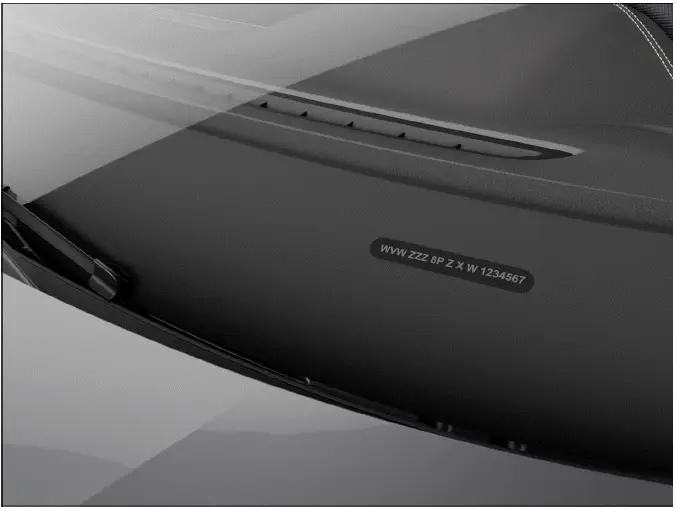
Fig. 194 In the windshield: vehicle identification number (VIN)
The VIN can be read from the outside through the viewing window in the windshield. The viewing window is at the side of the lower section of the windshield.
In some models, it may be possible to display the VIN in the Service menu or in the vehicle settings, depending on the Infotainment system. The vehicle identification number may also be located on the identification label.
The VIN may also be stamped in the following locations, depending on the model, country and engine:
- In the right water drain channel in the engine/motor compartment.
- On the right suspension strut tower in the engine/motor compartment.
- In the engine compartment near the hinge for the hood on the right side of the vehicle.
- Under the carpet behind the right front seat.
When checking the Volkswagen Taos VIN, compare the number shown through the windshield with the number on the vehicle documents and identification label. If the VIN is damaged, missing, altered, or does not match the documents, have the issue checked by a qualified professional before purchasing, registering, or servicing the vehicle.
Identification label
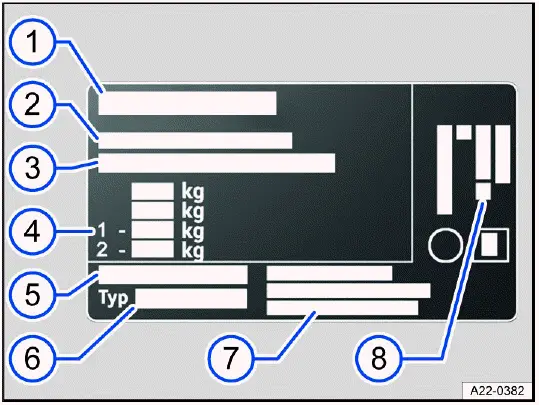
Fig. 195 Identification label (general example): version 1.
Depending on the country, the type approval number, such as the EU operating license, may be specified.
- Manufacturer code.
- Type approval.
- Vehicle Identification number.
- Gross Vehicle Weight Rating.
Gross combination weight rating (towing vehicle and trailer).
Front Gross Axle Weight Rating.
Rear Gross Axle Weight Rating. - Type approval number, differs according to country.
- Vehicle model.
- Manufacturer's address.
- Engine code.
The identification label provides important technical and legal information for the individual vehicle. It may be needed for registration, inspections, ordering parts, checking axle loads, verifying towing limits, or confirming the correct vehicle specification.
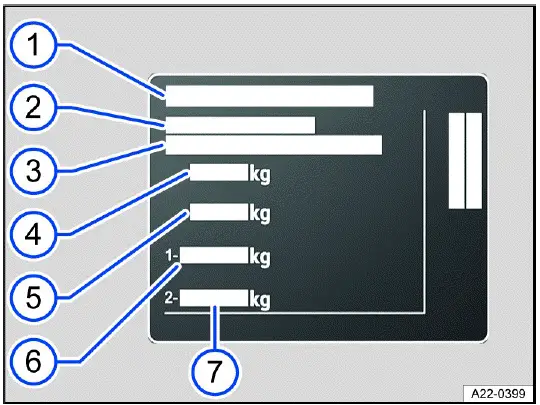
Fig. 196 Identification label (general example): version 2.
Depending on the country, the type approval number, such as the EU operating license, may be specified.
- Manufacturer code.
- Type approval.
- Vehicle Identification number.
- Gross Vehicle Weight Rating.
- Gross combination weight rating (towing vehicle and trailer).
- Front Gross Axle Weight Rating.
- Rear Gross Axle Weight Rating.
Depending on the country and model, the model plate may be visible in the lower section of the door pillar when the driver's or front passenger door is open. Vehicles exported to some countries do not have a model plate.
Do not remove, cover, paint over, or damage the identification label. If a body component with a label is replaced, the replacement label must be applied correctly according to the applicable repair and legal requirements.
Safety certificate
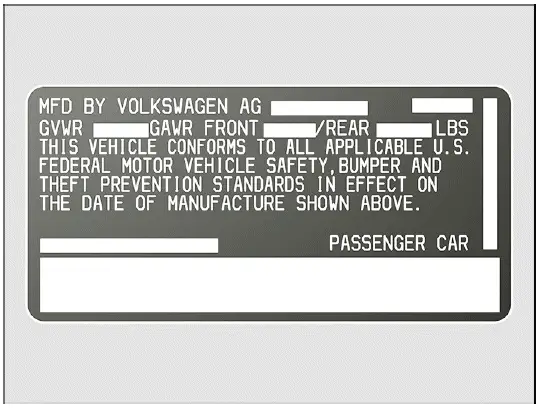
Fig. 197 Safety certificate (general example).
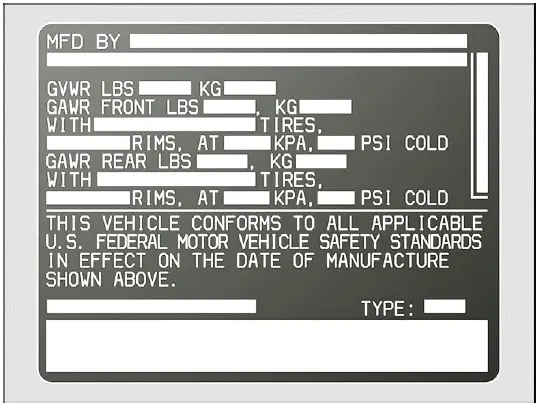
Fig. 198 Safety certificate (general example).
A safety certificate on the driver door pillar displays the following information:
- Manufacturer.
- Country of manufacture.
- Date of manufacture.
- Gross vehicle weight rating.
- Gross axle weight ratings.
- Tire size.
- Rim size.
- Tire pressure.
- Vehicle Identification number.
- Type designation.
The safety certificate is one of the main sources for vehicle-specific information. For the Volkswagen Taos, the data on this label should be used when confirming correct tire pressures, permitted load limits, axle ratings, and other safety-related specifications.
Dimensions
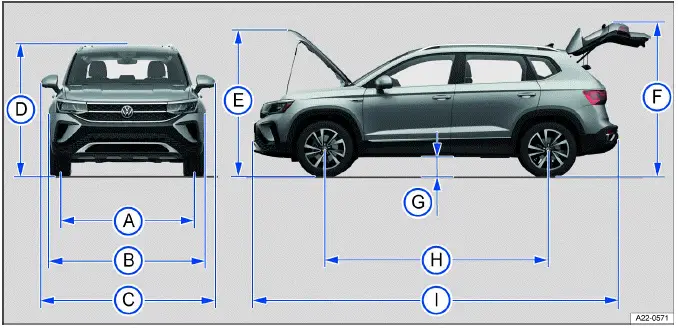
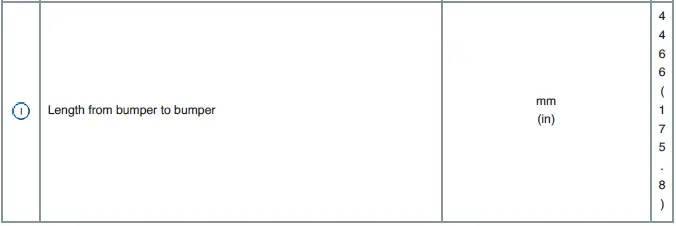
Fig. 199 Vehicle dimensions.
The information in the table applies for the standard model with standard equipment.
For other wheel rims, tire sizes, options, differing model designs and retrofitted accessories, as well as special vehicles and vehicles in other countries, these values can differ.
Information about how the weight specifications are compiled can be found in section ⇒ General information about specifications.
Where the vehicle dimensions are not given, the values were not available at the time of printing.
Vehicle dimensions can be affected by equipment, tire and wheel combinations, suspension version, exterior accessories, roof attachments, underbody protection, towing equipment, or country-specific design differences. Always use the exact values for the individual vehicle when checking garage clearance, transport dimensions, lift equipment, parking space, or accessory compatibility.
Front-wheel drive
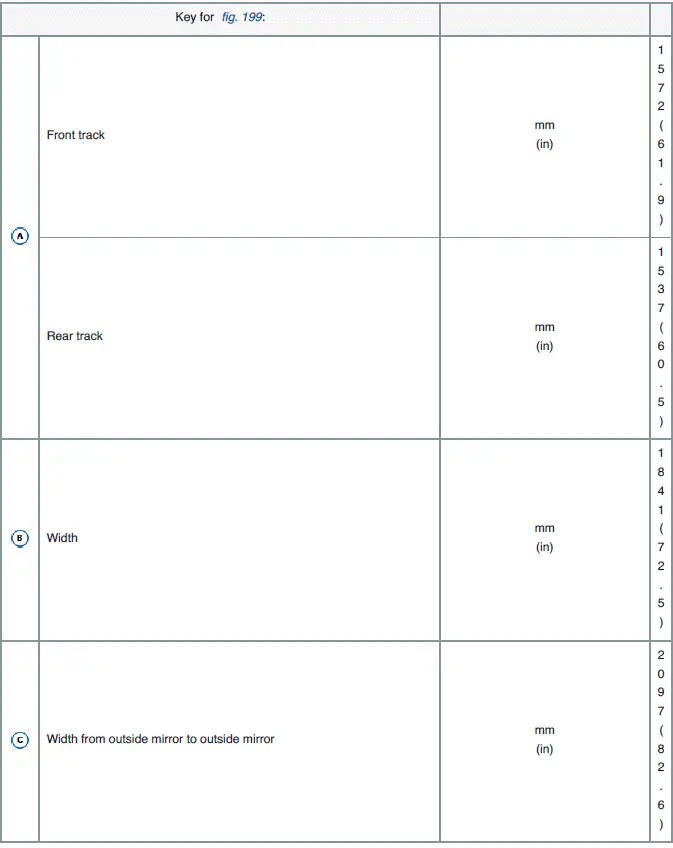
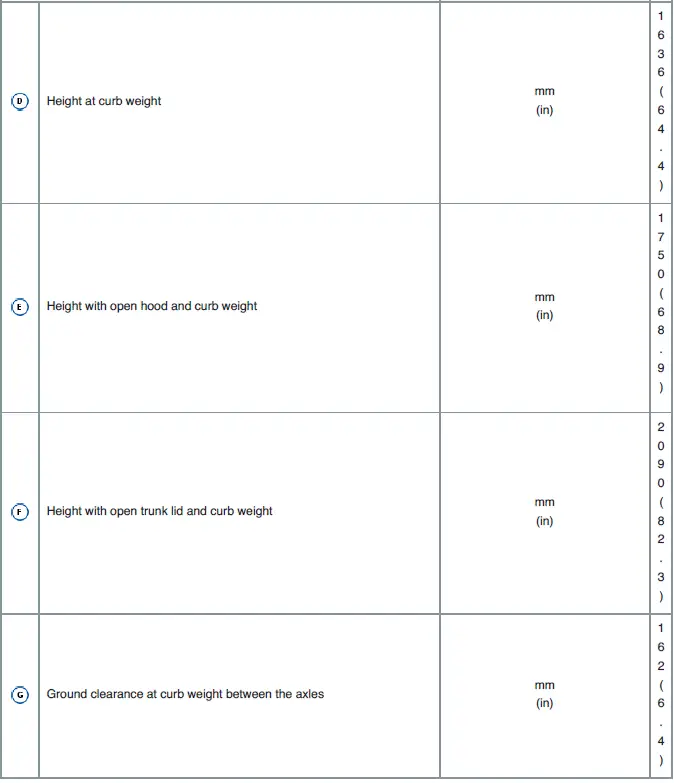
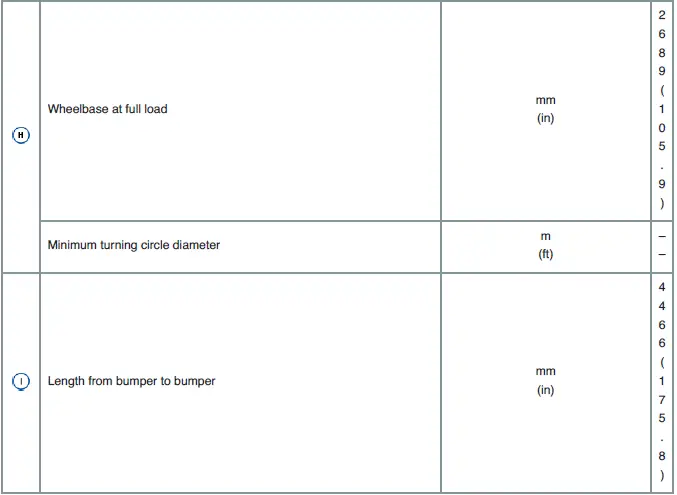
The front-wheel drive version may have different technical values than all-wheel drive versions due to drivetrain layout, weight distribution, fuel tank specification, suspension tuning, and equipment configuration. Use the correct table for the vehicle version being checked.
All-wheel drive (4MOTION)
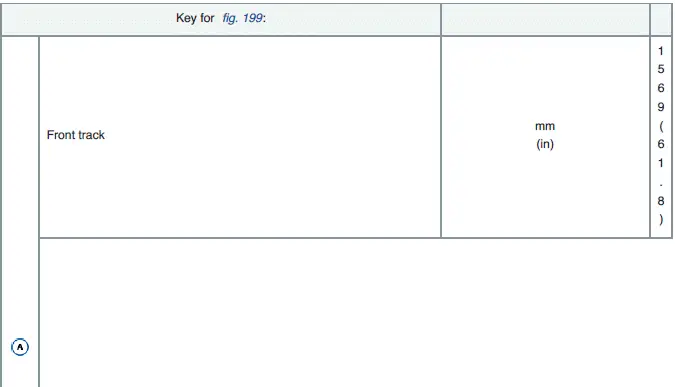
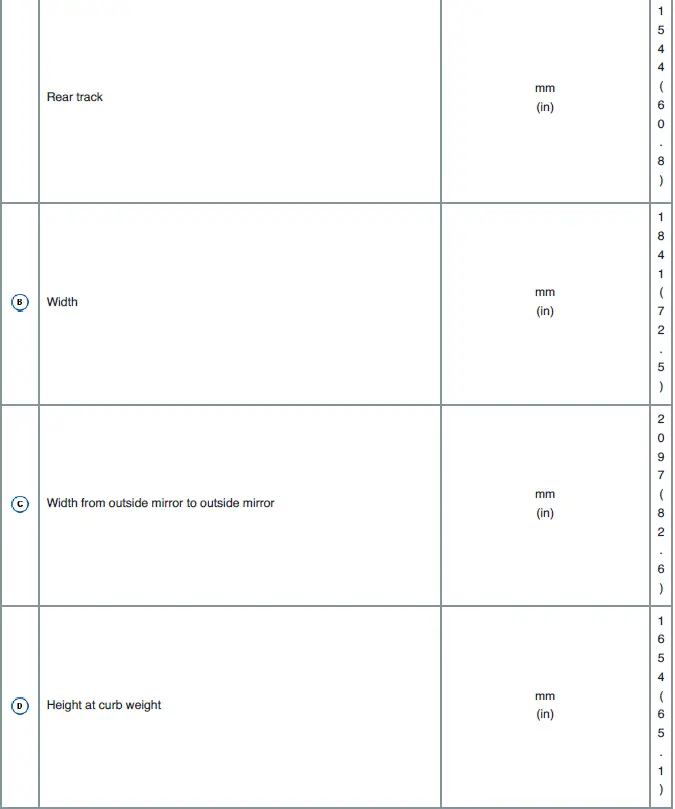
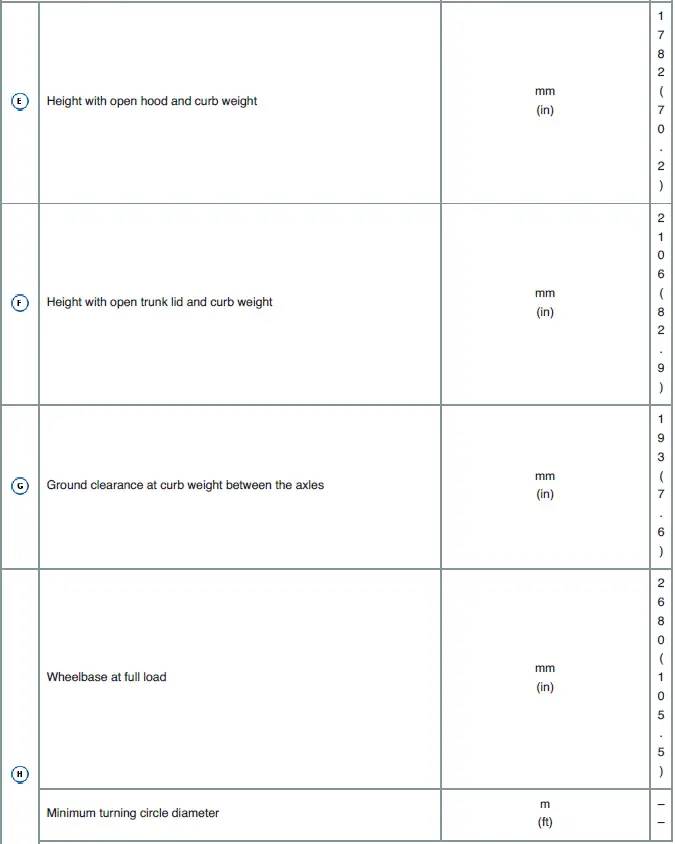
The 4MOTION version may have its own curb weight, fuel tank capacity, axle load values, and performance-related specifications. When comparing data, make sure the information matches the actual drivetrain and equipment installed on the vehicle.
Tank capacities
The fuel tank has the following volume:
- approx. 50 l (13.2 gal)
- 14.5 gallons (approximately 55 l) for all-wheel drive vehicles
 The capacity of the fuel tank includes an indeterminate reserve quantity that remains in the fuel tank when the fuel gage shows that the fuel tank is empty. The reserve quantity is variable and cannot reliably serve to increase the remaining range.
Do not rely on the reserve quantity as an extension of driving range. Fuel level display behavior can vary with driving style, slope, vehicle angle, temperature, refueling conditions, and fuel movement inside the tank. Refuel the Volkswagen Taos in good time, especially before long trips, cold-weather driving, remote routes, or heavy traffic.
Gasoline engines
1.5 l, 4 cylinder, TSI, 118 kW (158 hp), gasoline engine
Engine overview
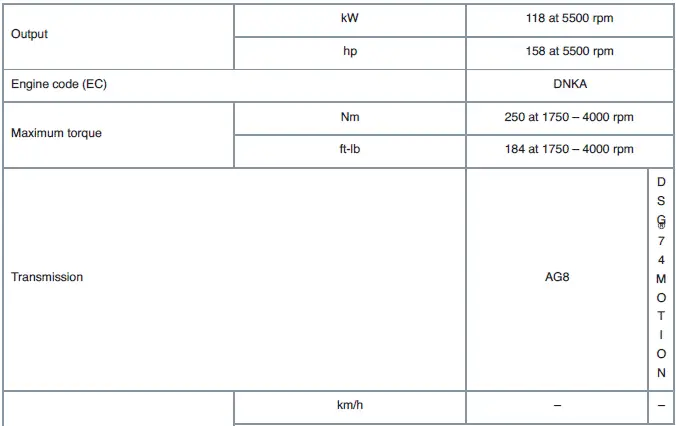

The engine overview provides the core technical information for the gasoline engine version. Exact engine data may depend on market, emissions equipment, software version, transmission, and drivetrain configuration.
Weight specifications and axle loads
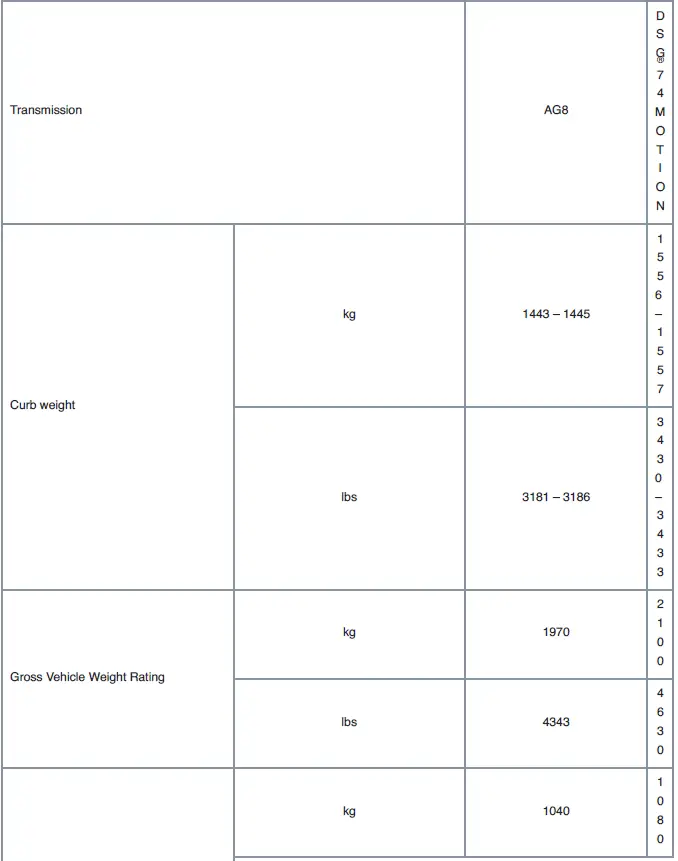
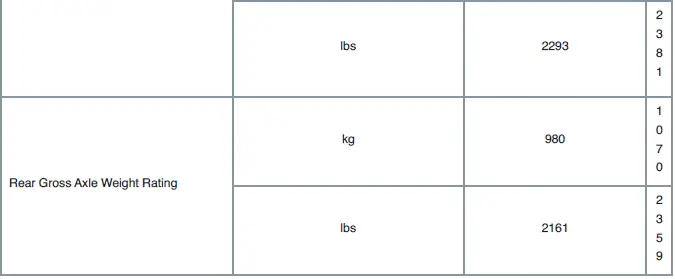
Weight specifications and axle load values must be followed whenever the vehicle is loaded, fitted with accessories, used with roof cargo, or prepared for towing where permitted. Exceeding the permitted total vehicle weight or axle load can affect braking, steering, tire durability, suspension travel, lighting aim, and overall driving stability.
When calculating the actual load, include passengers, luggage, cargo organizers, roof boxes, bicycle carriers, trailer tongue load where applicable, retrofit equipment, and any items installed after delivery. The safest loading practice is to keep heavy objects low, secure all cargo, and distribute weight evenly within the permitted limits.
4) This data was not available at the time of printing.